The Impact of Dance on Mental Health in Retirement
As individuals approach retirement, they often seek activities that enhance their quality of life. One such activity that has gained recognition for its myriad benefits is dance. Research indicates that engaging in dance can significantly improve mental health, offering retirees a fulfilling way to connect with others and maintain emotional well-being.
Understanding the Connection Between Dance and Mental Health
Dancing is not just an art form; it is also a therapeutic activity that can influence mental health positively. According to a study published in the Journal of Health Psychology, participants who engaged in regular dance sessions reported lower levels of anxiety and depression. This is likely due to the combination of physical activity, social interaction, and the stimulating nature of music.
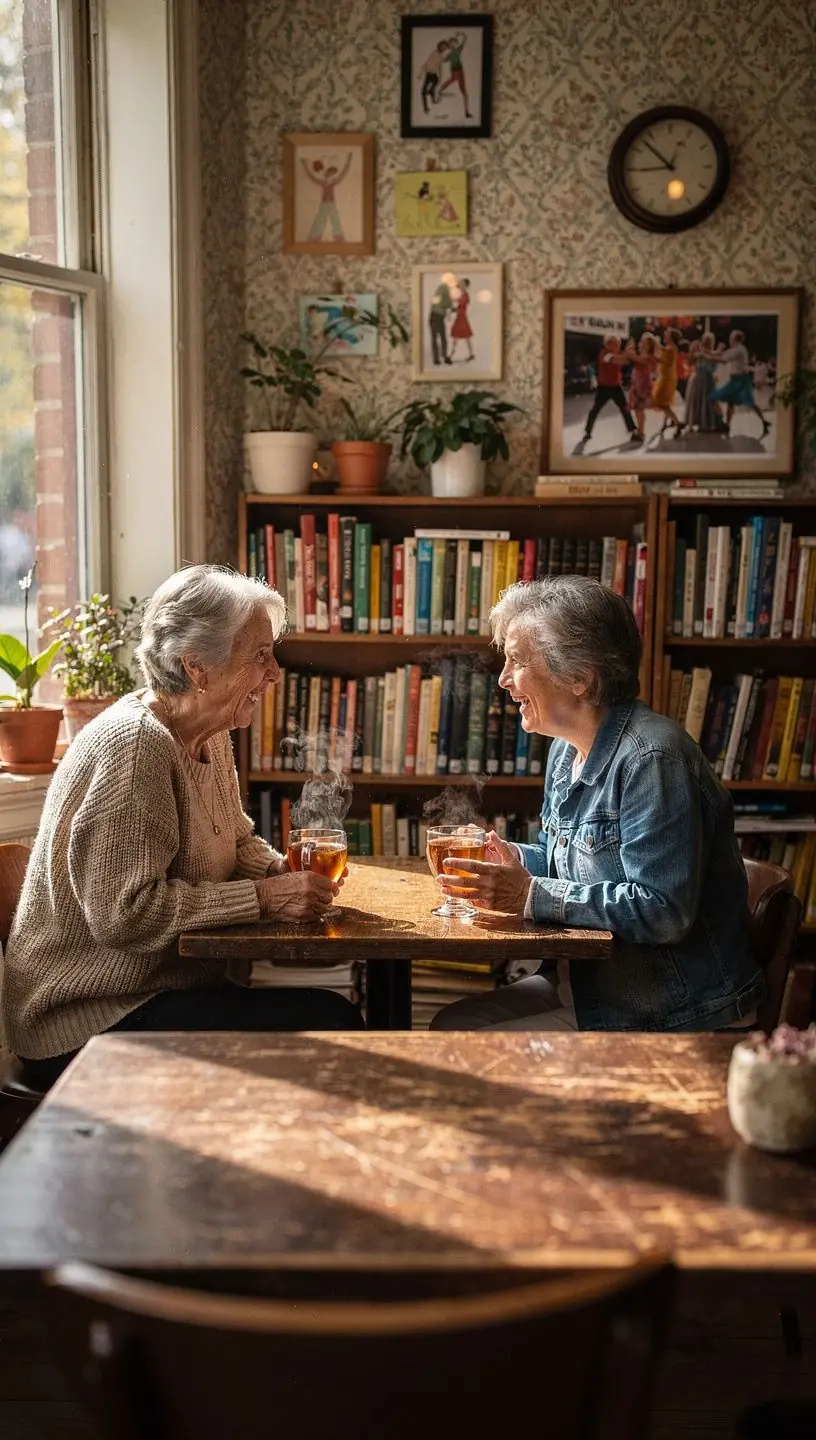
"Regular participation in dance can lead to improved mood and reduced feelings of isolation, especially in older adults."
How Dance Facilitates Emotional Well-Being
Dance can help enhance mental health in several ways:
- Physical Activity: Movement releases endorphins, often referred to as 'feel-good' hormones. According to the Mayo Clinic, regular physical activity can alleviate symptoms of anxiety and depression.
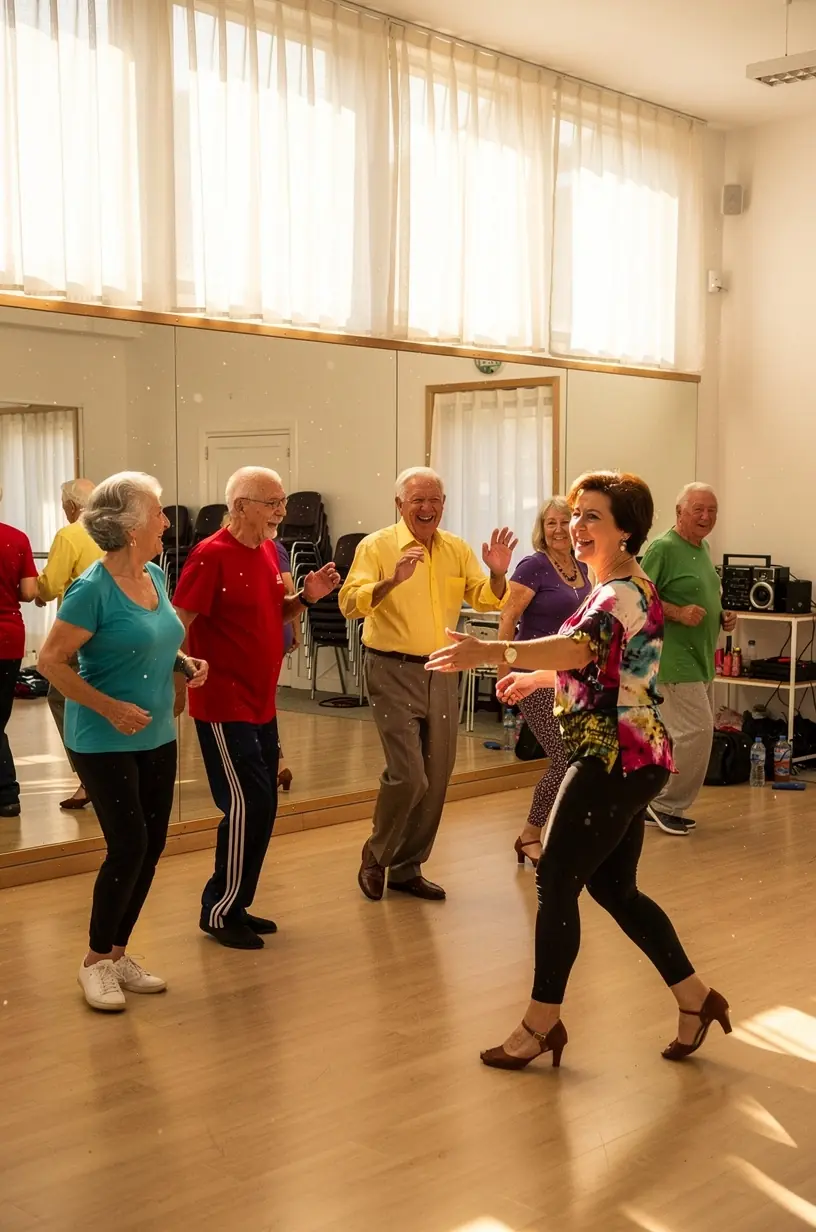
- Social Interaction: Joining dance classes or community dance events encourages socialization. Many users report feeling less isolated when they participate in group activities.
- Cognitive Engagement: Learning new dance routines challenges the brain, which can help improve cognitive function. Research from the New England Journal of Medicine suggests that mentally stimulating activities can lower the risk of dementia.
Practical Steps to Incorporate Dance into Retirement
For those considering dance as a part of their retirement plans, here are some steps to get started:
- Choose a Style: Explore various dance styles such as ballroom, salsa, or line dancing to find what resonates with you. Many local community centers offer introductory classes.
- Commit to a Schedule: Aim to participate in dance classes or events at least once a week. This typically requires a commitment of 1-2 hours per session.
- Connect with Others: Engage with fellow dancers not only in classes but also at local dance events. Building relationships can enhance the enjoyment of the activity.
The Limitations and Considerations
While dance can be an effective way to improve mental health, it is important to acknowledge its limitations:
- **Time Commitment:** Regular participation typically takes time to establish a routine. Consistency is key for deriving long-term benefits.
- **Physical Ability:** Dance may not be suitable for everyone, especially if there are physical limitations or health issues. Consulting with a healthcare professional before starting any new physical activity is advisable.
- Learning Curve: Some may find dance challenging initially. Patience and practice are essential for improvement and enjoyment.
Conclusion
Incorporating dance into retirement can be a rewarding experience, not only enhancing overall well-being but also providing a means to foster social connections. As research indicates, the benefits of dance on mental health are considerable, making it a reliable option for those seeking to enrich their lives during this transitional phase. By setting realistic expectations and committing to regular practice, retirees can look forward to the joys that dance can bring.
Learn More