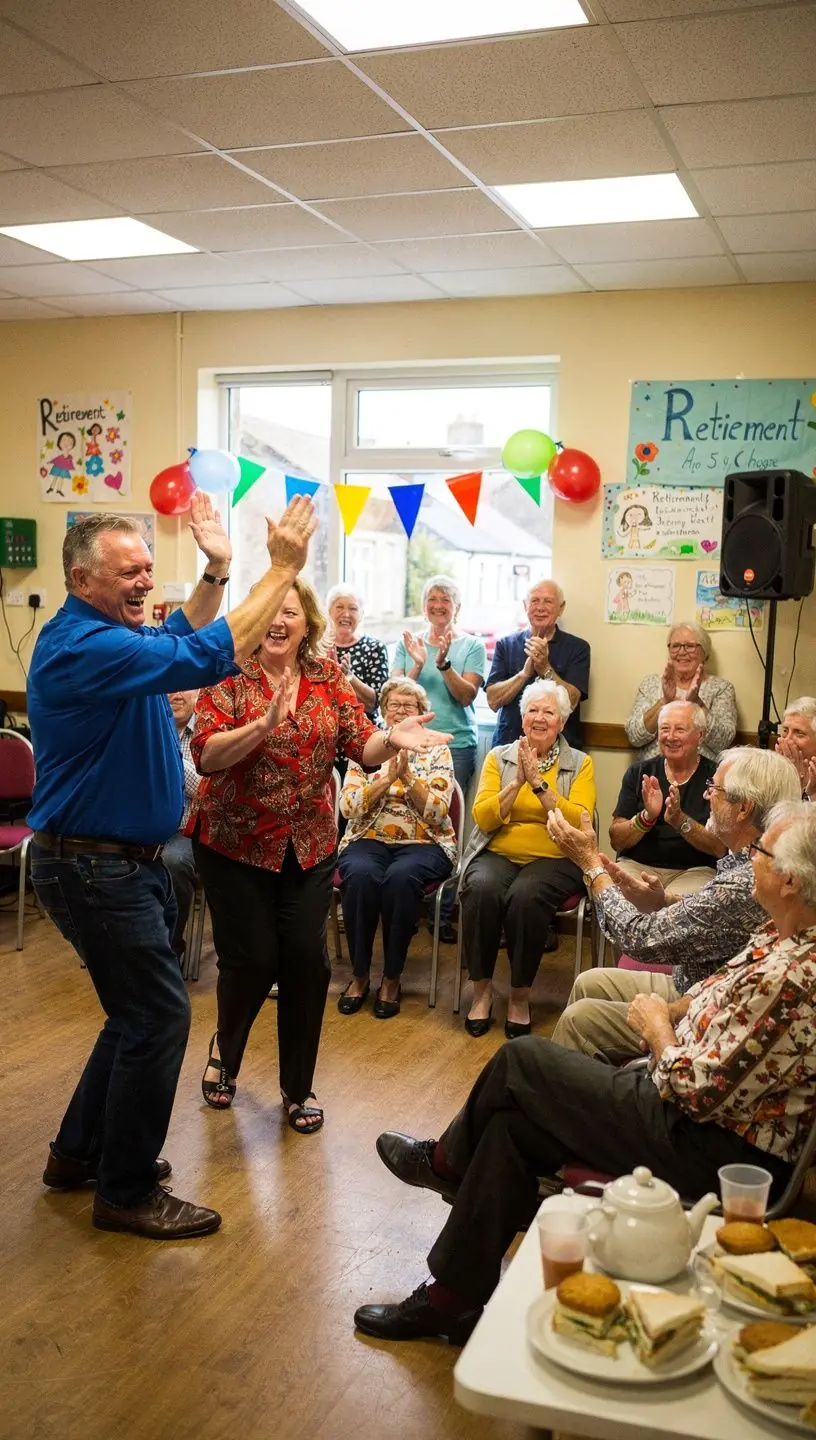
How Pre-Retirement Coaching Enhances Wellbeing
As individuals approach retirement, the transition can be both exciting and challenging. Pre-retirement coaching can play a significant role in enhancing overall wellbeing, helping individuals navigate this pivotal life change with confidence and clarity.
Understanding the Basics of Pre-Retirement Coaching
Pre-retirement coaching typically involves personalized guidance to prepare individuals for the emotional, financial, and lifestyle changes that come with retirement. According to research by the International Coach Federation, coaching can lead to a 70% improvement in goal attainment and a 60% increase in self-confidence for participants.

"Individuals who engage with a coach often experience a smoother transition, as they become more adept at managing changes in their personal and professional lives." - Industry Expert
The Benefits of Pre-Retirement Coaching
- Emotional Preparation: Coaching helps individuals address feelings of anxiety and uncertainty about retirement. Studies indicate that emotional preparedness can lead to better mental health outcomes post-retirement.
- Financial Literacy: Many coaching programs incorporate financial planning, which can help participants develop realistic budgets and savings strategies. This is essential, as a lack of financial preparedness is a common source of stress among retirees.
- Social Connections: Through curated dance events and regular meetups, pre-retirement coaching often encourages social engagement. Research shows that maintaining social connections is crucial for wellbeing, especially during major life transitions.
How Pre-Retirement Coaching Works
The process generally unfolds in several stages:
- Assessment: Coaches typically begin with an evaluation of the individual's current situation, goals, and concerns. This helps tailor the coaching experience to meet specific needs.
- Goal Setting: Together with their coach, individuals establish realistic and achievable goals, focusing on emotional readiness, financial planning, and lifestyle changes.
- Action Plan: Coaches help participants create a step-by-step action plan. This may include attending workshops, participating in social events, and exploring new hobbies.
- Regular Check-ins: Ongoing support and accountability are key components, typically involving regular meetings to discuss progress and make necessary adjustments.
Challenges and Limitations
While pre-retirement coaching can be beneficial, it is essential to acknowledge its limitations:
- Time Commitment: Engaging in coaching requires a commitment of time, often spanning several months for meaningful results to manifest.
- Personal Effort: Success depends on the individual's willingness to actively participate and apply the insights gained during coaching sessions.
- Not One-Size-Fits-All: Coaching may not be suitable for everyone, particularly if an individual prefers self-directed learning or is not open to exploring change.
Conclusion
In summary, pre-retirement coaching offers a structured approach to enhancing wellbeing as individuals transition into this new phase of life. By focusing on emotional intelligence, financial literacy, and fostering social connections, coaching can provide the tools necessary for a positive retirement experience. As you consider your journey towards retirement, know that investing time in coaching can lead to significant benefits, both mentally and emotionally.