Navigating Changes in Social Life After Retirement
Retirement marks a significant transition in life, often leading to changes in social dynamics. Understanding these shifts and finding ways to adapt can help maintain fulfilling relationships.
Understanding the Basics
When individuals retire, their daily routines often change dramatically. This can lead to a shift in social interactions, as many find themselves with more free time but fewer opportunities to engage socially. According to research by the American Psychological Association, retirees frequently experience loneliness and social isolation, particularly in the first year after leaving the workforce.
"Social connections are essential for mental and physical well-being, especially during significant life transitions like retirement." - Dr. Jane Smith, Social Psychologist
Practical Application of Social Engagement Strategies
To navigate these changes effectively, retirees can explore several strategies to enrich their social lives:
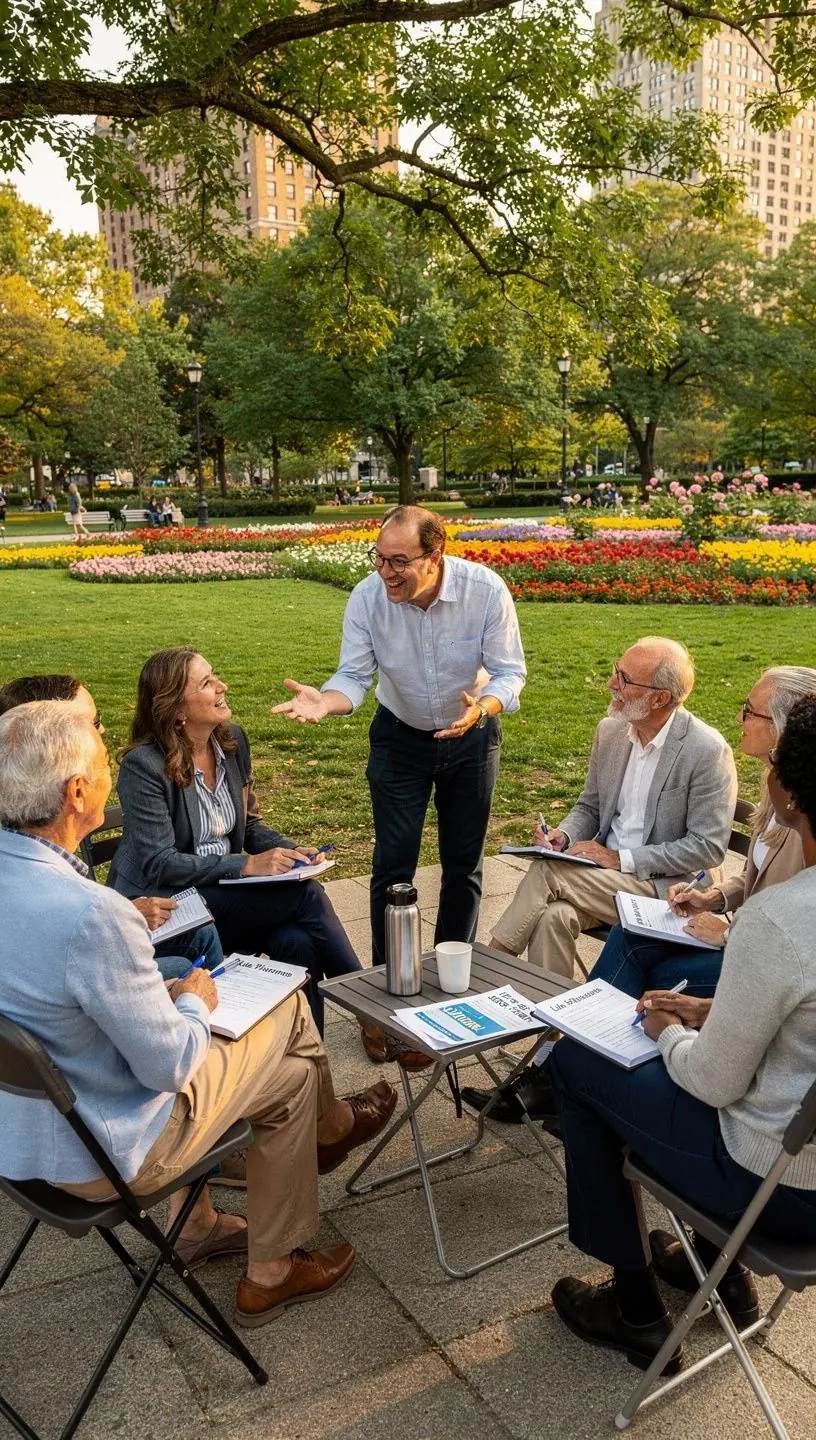
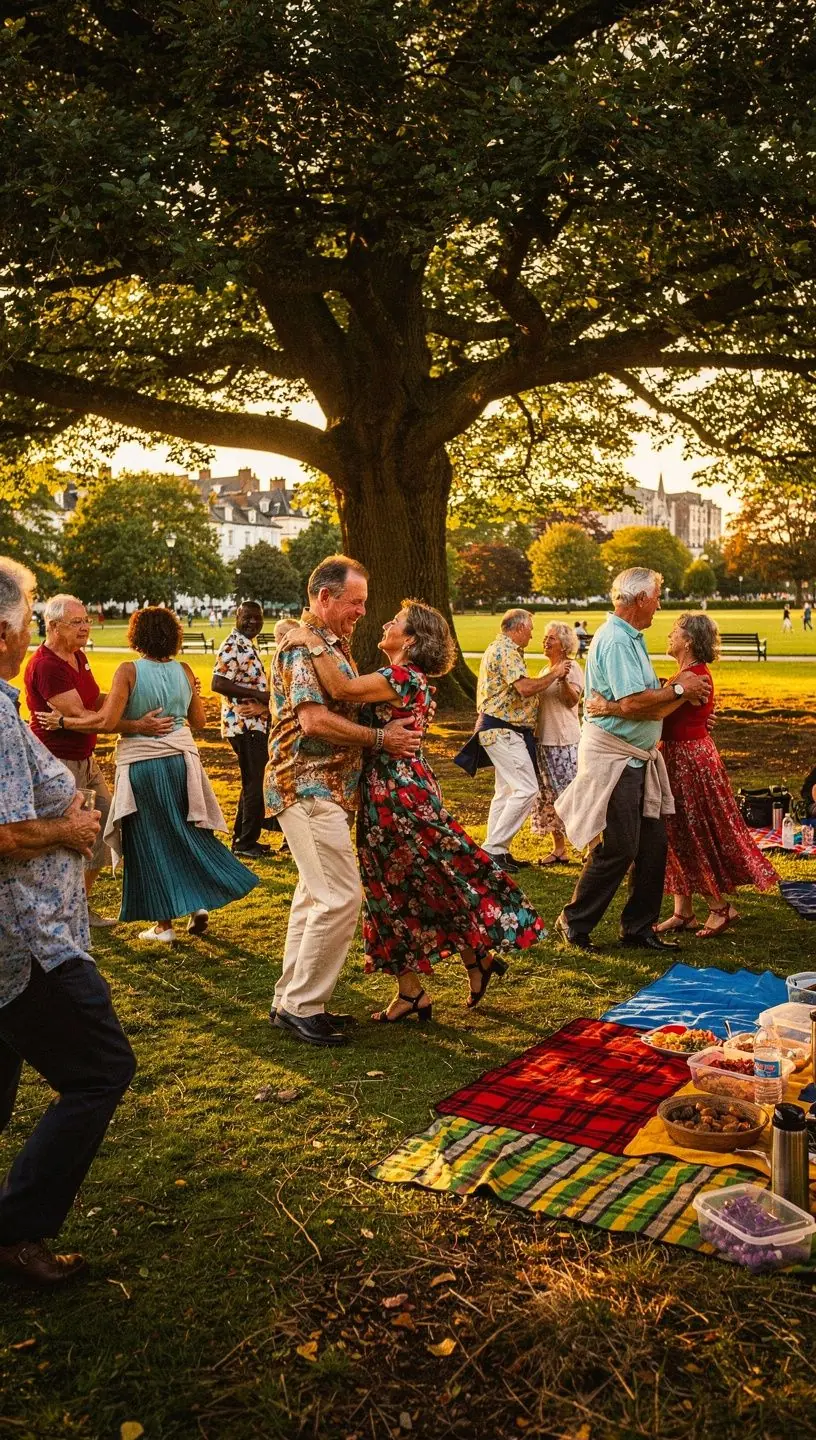
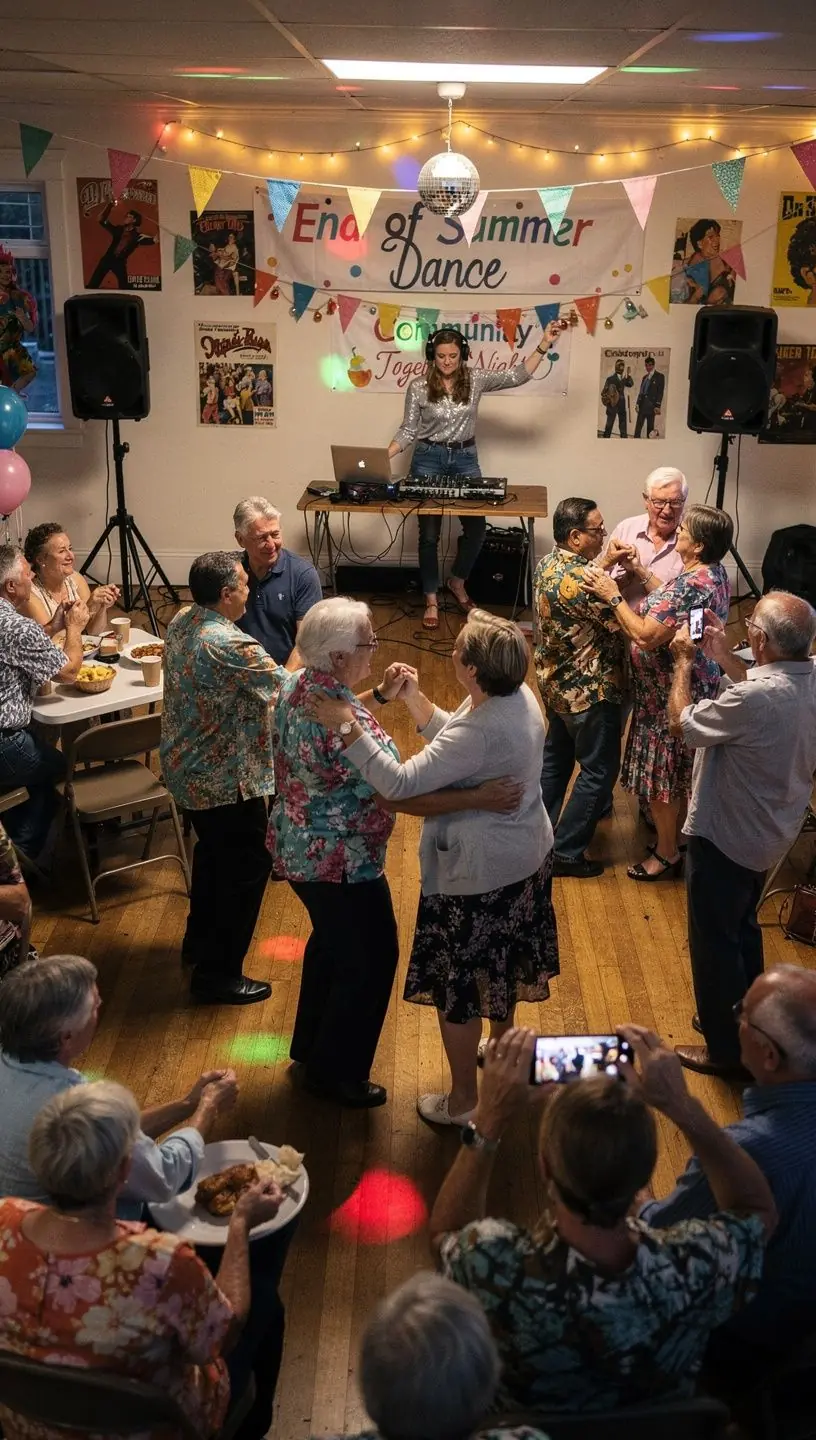
- Join community groups or classes: Many retirees report that joining clubs, such as dance groups or hobby classes, helps them meet new people and develop friendships. This approach typically involves attending scheduled events, which can foster a sense of belonging.
- Arrange regular meetups: Creating a regular schedule for in-person gatherings with friends and family can help maintain connections. Studies show that consistent social interactions can improve emotional health and decrease feelings of isolation.
- Utilize technology: While some may find technology daunting, platforms for virtual meetups can bridge distances. Research indicates that staying connected through online platforms may enhance feelings of community among retirees.
Setting Realistic Expectations
It's important to understand that enriching your social life after retirement may require a commitment of time and effort. Many users report that it typically takes several months to establish new connections and routines.
Engaging in new activities often involves a learning curve and may not always yield immediate results. For example, joining a dance group can be rewarding but may require dedication to learn new skills while building friendships over time.
Conclusion
Navigating changes in social life after retirement is a journey that requires patience and proactivity. By understanding the dynamics at play and implementing strategies to enhance social engagement, retirees can build meaningful connections that enrich their post-retirement experience. Remember, these efforts can lead to improved well-being and a more fulfilling life after retirement.